
Digital Detox Support Using a Dedicated Smartphone with Restricted Freedom
Behavior redesign through SNS/video app blocking and a hard-to-stop alarm
This research examines digital detox support using a dedicated smartphone with intentionally restricted freedom. The paper explores how blocking SNS/video apps and adding an alarm that is difficult to stop can help redesign daily behavior.
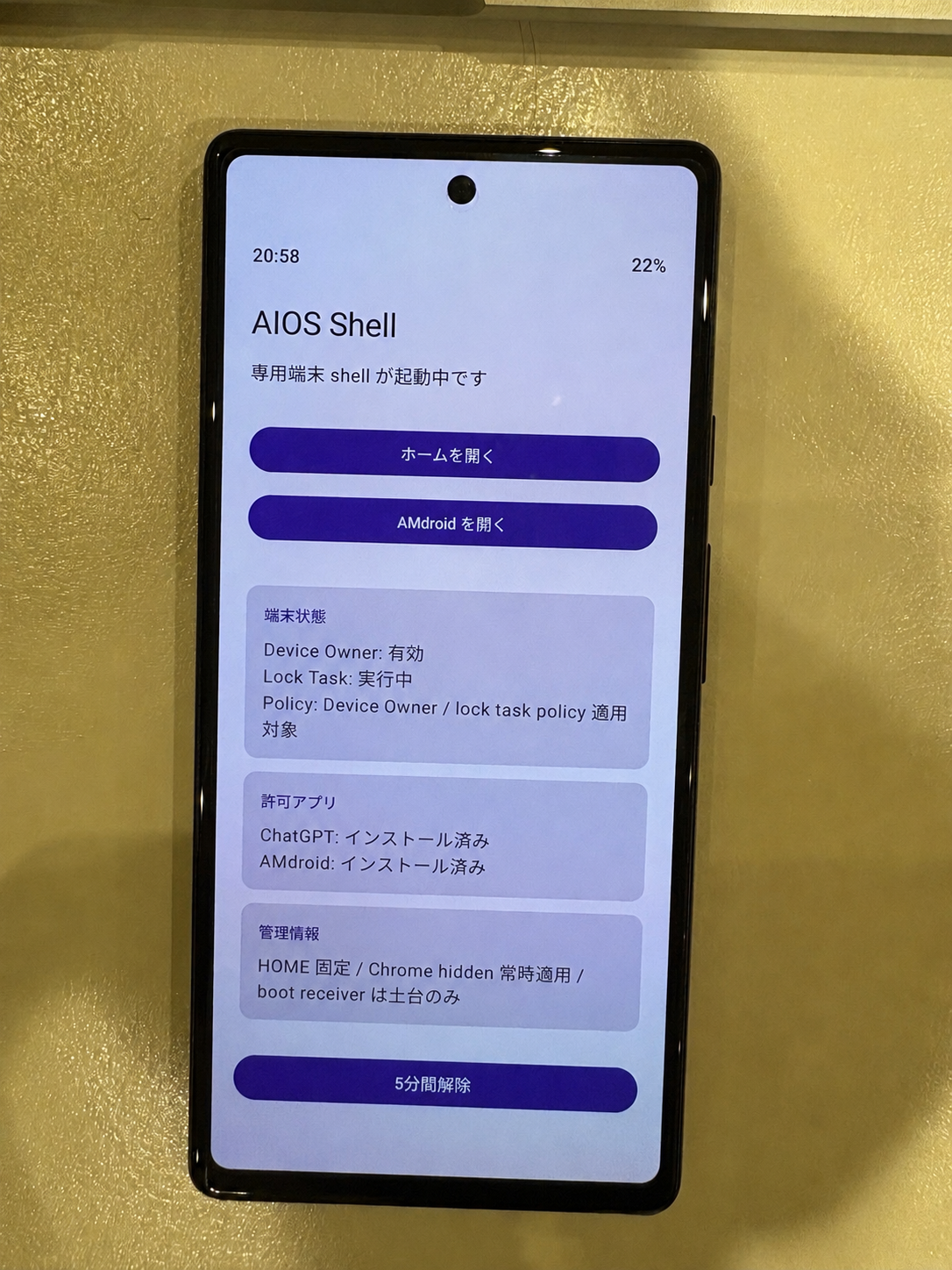
Overview
Based on my university studies and my own interest in smartphone overuse, I framed the issue as a research topic. Instead of treating digital detox as a matter of willpower, I tested the idea of using a restricted dedicated smartphone as part of the environment.
I designed experimental conditions, recorded usage data, analyzed results, created figures, and organized the work into a paper submitted to the 80th Entertainment Computing research meeting.
Work
- Designed the research topic and prototype concept.
- Defined conditions with different costs for unlocking restrictions.
- Recorded and organized data such as SNS usage time, successful unlocks, night interruptions, morning fatigue, and perceived burden.
- Created charts, analyzed numerical results, and wrote the report structure for the EC80 submission.
Metrics
Average unlock completion count under the medium-cost condition.
Average unlock completion count under the higher-cost condition.
Subjective burden ratings recorded across the C300 condition.
Different levels of cost and requirements needed to unlock the restricted state.
Learning
Through this work, I experienced more than building a product. I learned how to define a question as research, design conditions, collect and analyze data, and explain the findings logically.
I also learned that behavior-change products are not only about convenience. They require careful thinking about how much friction or inconvenience should be designed into the experience.
Read the submitted PDF and related official pages.